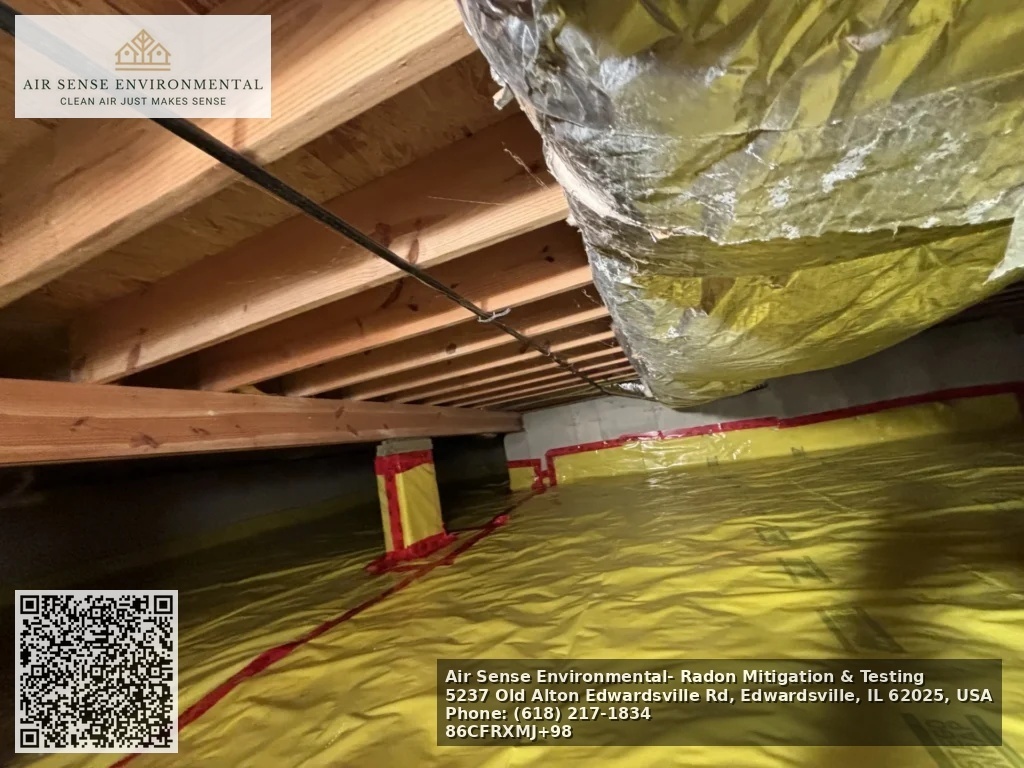
Avoiding Errors in Radon Mitigation Installations
"mentions":
Radon mitigation system
<h3>Understanding Radon and Its Risks</h3>
Radon is an invisible and odorless gas that seeps into homes from the ground, posing a significant threat to indoor air quality. As a naturally occurring radioactive gas, it is a leading cause of lung cancer among non-smokers. Radon mitigation systems are crucial in reducing the levels of this hazardous gas in both air and water within residential and commercial buildings.
<h3>Active Soil Depressurization</h3>
Active soil depressurization is the most effective method for reducing radon levels in buildings. This technique involves sealing concrete slabs, sub-floors, and crawlspaces to prevent radon entry. By creating a negative pressure beneath the building, radon gas is directed away from the interior living spaces and expelled above the roofline. A radon mitigation fan plays a key role in maintaining this pressure difference and operates continuously to ensure safety.
<h3>Additional Mitigation Techniques</h3>
In homes where radon levels are particularly stubborn, additional measures like air exchangers may be employed. These systems work by diluting indoor radon concentrations with fresh outdoor air, further reducing the risk of exposure. This layered approach ensures that even in challenging scenarios, effective radon control is achievable.
<h3>Addressing Radon in Water Supplies</h3>
While radon is primarily a concern in air, it can also dissolve into water supplies. Although there is no conclusive evidence linking radon in water to gastrointestinal cancers, high levels can contribute to indoor air pollution when released during water use. Aeration systems and activated charcoal filters are effective in removing radon from water, ensuring comprehensive mitigation.
<h3>The Role of a Radon Mitigation Contractor</h3>
A qualified radon mitigation contractor plays an essential role in assessing and addressing radon concerns. These experts possess the necessary tools and knowledge to evaluate radon levels and identify the most suitable mitigation strategies for each unique situation. Their expertise ensures that mitigation systems are correctly installed and function optimally to protect occupants’ health.
<h3>Long-Term Maintenance and Monitoring</h3>
Once a radon mitigation system is installed, regular monitoring and maintenance are crucial to ensure its ongoing effectiveness. Radon levels can fluctuate over time due to changes in environmental conditions or building modifications. A reliable contractor will provide guidance on long-term maintenance practices and recommend periodic testing to confirm that radon levels remain low.
In effect, this means that investing in a comprehensive radon mitigation system is a proactive step towards safeguarding indoor air quality and protecting the health of building occupants. By working with a skilled radon mitigation contractor, homeowners and property managers can achieve peace of mind, knowing that their environment is safer from the dangers of radon exposure.
<hr />
Radon mitigation st louis
<h3>Understanding the Challenge</h3>
Radon is an invisible, odorless, tasteless radioactive gas that poses a significant health risk, particularly in homes and workplaces where it can accumulate to dangerous levels. In St. Louis, as in many parts of the country, radon mitigation is a critical concern for homeowners and building managers. The goal is to reduce radon concentrations in the air we breathe indoors, as prolonged exposure can lead to serious health issues, including lung cancer. Understanding the specific environmental factors and building characteristics in the St. Louis area is essential for effective radon mitigation.
<h3>Expertise in St. Louis</h3>
Local radon mitigation contractors in St. Louis are well-versed in the specific geological and structural challenges of the region. The area's soil composition and prevalent building styles can influence the methods used to manage radon levels. Experienced contractors utilize a range of techniques, such as active soil depressurization, to ensure radon is effectively vented away from living spaces. Their expertise is crucial in designing systems that are not only effective but also tailored to each unique situation.
<h3>Innovative Solutions</h3>
The most effective radon mitigation strategies often involve a combination of techniques. In the St. Louis context, active soil depressurization remains the most common approach. This involves sealing concrete slabs, sub-floors, and crawlspaces, and installing a fan system to vent radon gas above the roofline. In some cases, additional measures such as air exchangers may be necessary to further reduce indoor radon levels. These systems are designed to run continuously, ensuring a consistent reduction in radon concentration.
<h3>Addressing Water-Borne Radon</h3>
While the primary focus is usually on reducing radon in the air, radon in water supplies is another concern that can contribute to indoor air pollution. In St. Louis, radon mitigation contractors may recommend treatment systems using aeration or activated charcoal to remove radon from domestic water supplies. Although the risk of gastrointestinal cancers from radon in water is not proven, these systems help prevent the aerosolization of radon during water use, thus minimizing the overall radon exposure indoors.
<h3>Choosing a Reliable Contractor</h3>
Selecting a competent radon mitigation contractor in St. Louis involves careful consideration of their experience, reputation, and the technologies they employ. Homeowners should seek contractors who are certified and have a strong track record in effective radon reduction. A reliable contractor will conduct thorough testing, provide clear explanations of the mitigation process, and offer solutions tailored to the specific needs of the building and its occupants.
<h3>As a Round Up</h3>
Mitigating radon in St. Louis requires a combination of expertise, innovative solutions, and reliable contractor services. By implementing strategies such as active soil depressurization and water treatment, residents can significantly reduce their risk of radon exposure. This proactive approach not only protects health but also enhances the overall quality of life in affected buildings. Prioritizing radon mitigation is an essential step in ensuring safe and healthy indoor environments.
<hr />
Radon mitigation near me
<h3>Understanding Radon and Its Risks</h3>
Radon, a naturally occurring radioactive gas, poses significant health risks when it accumulates in homes and buildings. It';s a silent intruder, often seeping through cracks in floors and walls, making its way into living spaces. Prolonged exposure to radon is a known cause of lung cancer, ranking only second to smoking. As awareness of radon's dangers grows, so does the demand for effective mitigation strategies. Homeowners increasingly seek professional assistance to ensure their environments remain safe and healthy.
<h3>Effective Mitigation Techniques</h3>
One of the most effective methods for reducing radon levels in indoor air is active soil depressurization. This technique involves sealing concrete slabs, sub-floors, and crawlspaces to prevent radon entry. A pathway is then created to vent the gas above the roofline, aided by a continuously running radon mitigation fan. For homes with particularly high radon levels, additional measures like air exchangers can be employed to further dilute indoor concentrations. On the water supply front, systems using aeration or activated charcoal are available to eliminate radon, ensuring the safety of household water.
<h3>Choosing the Right Contractor</h3>
Finding a qualified radon mitigation contractor is crucial for effectively addressing radon issues. Homeowners should seek contractors with demonstrated experience and proper certification in radon mitigation. A good contractor will conduct thorough assessments, provide clear explanations of their proposed solutions, and offer a detailed plan tailored to the specific needs of the home. Engaging a knowledgeable professional not only ensures the job is done right but also provides peace of mind for the occupants.
<h3>Ensuring Long-term Safety</h3>
To put it short, mitigating radon is not a one-time task but an ongoing commitment to safety. Regularly testing radon levels even after mitigation ensures that systems remain effective and any necessary adjustments can be made promptly. Homeowners should also stay informed about the latest advancements in radon mitigation technology and practices. By actively managing radon levels, residents can maintain a healthy living environment and protect themselves and their families from the long-term health risks associated with this invisible threat.
<hr />
Radon mitigation contractor
<h3>Understanding Radon and Its Risks</h3>
Radon, a naturally occurring radioactive gas, can infiltrate homes and buildings, posing significant health risks. As a leading cause of lung cancer among non-smokers, its presence should not be underestimated. The odorless and colorless characteristics of radon make detection challenging without professional assistance. Radon mitigation contractors are essential in identifying and reducing radon levels, safeguarding occupants from its harmful effects.
<h3>Strategies for Mitigating Radon</h3>
The primary method for reducing radon in the air is active soil depressurization. This technique involves sealing concrete slabs, sub-floors, or crawlspaces and creating an air pathway to vent radon above the roofline. A radon mitigation fan is installed to operate continuously, ensuring radon is expelled efficiently. In some cases, air exchangers may be employed to further reduce indoor concentrations, especially in homes with particularly high radon levels.
<h3>Tackling Radon in Water Supplies</h3>
While the link between radon in water and gastrointestinal cancers remains unproven, high concentrations of radon in water can still pose a threat. When water is used in the home, radon can be released into the air, exacerbating indoor radon levels. Mitigation contractors can install treatment systems utilizing aeration or activated charcoal to effectively remove radon from domestic water supplies, minimizing potential health risks.
<h3>The Role of the Radon Mitigation Contractor</h3>
A radon mitigation contractor is a specialized professional equipped with the knowledge and tools to assess, recommend, and implement effective radon reduction solutions. These experts evaluate the specific conditions of each building, tailoring mitigation systems to address unique challenges. Their expertise ensures that radon levels are reduced to safe standards, providing peace of mind to homeowners and building occupants.
<h3>Choosing the Right Contractor</h3>
Selecting a qualified radon mitigation contractor is crucial for ensuring successful radon reduction. Homeowners should seek contractors with proper certifications and a proven track record of effective mitigation projects. Transparent communication, detailed proposals, and a clear understanding of the process are key indicators of a reliable contractor. Investing in a trusted professional can make a significant difference in the safety and health of a home environment.
In effect, this means that hiring a skilled radon mitigation contractor is not just a precautionary measure but a proactive step towards ensuring a healthier living space. By addressing both air and water sources of radon, these professionals play a pivotal role in reducing exposure and protecting the well-being of occupants.
<hr />
Stl radon
<h3>Understanding the Threat of Radon</h3>
Radon is an invisible, odorless gas that poses a significant risk to human health, primarily due to its radioactive properties. As a leading cause of lung cancer among non-smokers, radon exposure is a critical issue that needs to be addressed in residential and commercial settings alike. For residents in areas with high radon potential, like those serviced by STL Radon, it is essential to understand both the risks associated with prolonged exposure and the methods available for mitigation.
<h3>Why Radon Mitigation is Essential</h3>
Mitigation is crucial in reducing radon levels within homes and buildings to protect occupants from its harmful effects. Since radon is a naturally occurring gas that seeps into buildings through foundation cracks and other gaps, proactive measures must be taken to ensure safe indoor air quality. STL Radon uses advanced techniques to identify and reduce radon levels, thereby safeguarding the health of individuals and families.
<h3>Effective Mitigation Techniques</h3>
The most effective method for mitigating radon in the air is active soil depressurization. This technique involves sealing concrete slabs, sub-floors, and crawlspaces, and creating an air pathway to exhaust radon above the roofline. STL Radon specializes in installing mitigation systems that utilize radon mitigation fans, which operate continuously to lower radon concentrations effectively. In cases where radon levels are particularly stubborn, air exchangers may be employed to further decrease indoor radon levels.
<h3>Addressing Radon in Water Supplies</h3>
While the primary concern is radon in the air, radon in water supplies can also contribute to indoor air pollution. Although there is no direct link between radon in water and gastrointestinal cancers, high radon concentrations in water can become airborne through household activities, such as showering. STL Radon offers solutions like aeration and activated charcoal systems to remove radon from domestic water, ensuring that all potential sources of exposure are addressed.
<h3>The Role of Professional Contractors</h3>
Hiring a professional radon mitigation contractor is essential for effectively reducing radon levels in both air and water. STL Radon provides comprehensive services that include testing, consultation, and installation of mitigation systems. With expertise and specialized equipment, they ensure that mitigation efforts are tailored to the specific needs of each home or building, providing peace of mind to property owners.
In effect, this means that addressing radon issues is not just about installing the right systems but also about understanding the unique characteristics of each property. STL Radon’s commitment to safety and quality is evident in their personalized approach, ensuring that every mitigation project successfully reduces radon exposure and enhances indoor air quality.
<hr />
St louis radon
<h3>Understanding Radon's Impact in St. Louis</h3>
St. Louis, like many regions, faces the persistent challenge of radon exposure. Radon, an odorless and colorless gas, seeps into homes primarily through the soil. Its presence can lead to severe health risks, including lung cancer. In this city, where historic homes and varying soil compositions exist, understanding and mitigating radon is critical for protecting residents; health.
<h3>Mitigation Techniques Tailored for St. Louis</h3>
To address radon concerns, specific mitigation strategies are employed. Active soil depressurization is the most effective method. This involves sealing concrete slabs, sub-floors, or crawlspaces and creating a pathway for radon to be vented safely above the roofline. In St. Louis, where homes often have unique foundations, tailored solutions are essential to ensure effectiveness.
<h3>The Role of Radon Mitigation Contractors</h3>
Radon mitigation contractors play a crucial role in safeguarding St. Louis homes. These professionals assess radon levels, design custom mitigation systems, and ensure proper installation and maintenance. Their expertise is vital, as improper mitigation can lead to continued exposure and health risks.
<h3>Advanced Solutions for Persistent Challenges</h3>
In particularly troublesome areas, additional measures may be necessary. Air exchangers can be installed to further reduce indoor radon concentrations. These systems help by continuously circulating and refreshing the air inside, maintaining low radon levels even in the most challenging environments.
<h3>Addressing Radon in Water Supplies</h3>
While the primary focus is on radon in the air, water supplies can also be a source of radon exposure. In St. Louis, treatment systems employing aeration or activated charcoal are available to remove radon from domestic water. Although radon in water isn't directly linked to gastrointestinal cancers, it can contribute to indoor air radon levels, warranting attention.
<h3>Community Awareness and Education</h3>
Raising awareness about radon and its risks is crucial in St. Louis. Community education initiatives can empower residents to test their homes and seek professional mitigation services if needed. Understanding the importance of addressing radon can lead to healthier living environments across the city.
To put it short, addressing radon issues in St. Louis requires a combination of effective mitigation techniques, professional expertise, and community awareness. By focusing on these areas, the city can reduce the health risks associated with radon exposure and create safer homes for its residents.
<hr />
Radon system
<h3>Understanding Radon Mitigation</h3>
Radon mitigation focuses on reducing the concentration of radon gas in buildings and water supplies, which is crucial given its role as a major contributor to environmental radioactivity and indoor air pollution. Radon exposure is linked to severe health risks, including lung cancer, making mitigation efforts vital. The primary strategy for addressing radon in the air is active soil depressurization. This method involves sealing concrete slabs, sub-floors, and crawlspaces to prevent radon entry and creating an air pathway to vent the gas above the roofline, employing a radon mitigation fan for continuous operation.
<h3>Advanced Techniques in Air Mitigation</h3>
For homes that present more significant challenges, additional technologies such as air exchangers are employed. These systems help reduce indoor radon concentrations by ensuring a constant exchange of air, thereby diluting the radon levels within the living space. The effectiveness of these systems can vary, so they are often used in conjunction with other mitigation methods to ensure optimal results.
<h3>Mitigating Radon in Water Supplies</h3>
While there is no definitive link between radon in water and gastrointestinal cancers, high concentrations can become airborne when water is used, exacerbating indoor radon levels. To address this, water treatment systems utilizing aeration or activated charcoal are employed. Aeration systems work by exposing water to air, allowing radon to escape before the water enters the home. Activated charcoal systems, on the other hand, adsorb radon from the water, preventing its release into the air.
<h3>The Role of the Radon Mitigation Contractor</h3>
A radon mitigation contractor plays an essential role in the implementation of these systems. They are responsible for assessing the unique needs of each building, designing a tailored mitigation plan, and ensuring that the installation meets safety and effectiveness standards."mentions":
Their expertise is crucial in navigating the complexities of radon mitigation, from selecting the appropriate system to ensuring its long-term functionality.
As a round up, radon mitigation is a critical process in safeguarding indoor air quality and reducing health risks associated with radon exposure. Employing techniques such as active soil depressurization, air exchangers, and water treatment systems, along with the expertise of specialized contractors, helps ensure that buildings remain safe environments for occupants. The continuous evolution of mitigation strategies underscores the importance of addressing radon as a significant environmental health concern.
<hr />
home radon system
<h3>Understanding Radon Mitigation</h3>
Radon gas is a naturally occurring radioactive element that poses significant health risks when accumulated in indoor environments. Mitigating radon involves techniques designed to reduce its concentration in the air, particularly in living spaces. Radon mitigation contractors specialize in these techniques to ensure safer indoor air quality. One of the most effective methods used by professionals is active soil depressurization. This involves sealing entry points such as concrete slabs, sub-floors, and crawlspaces, creating an air pathway that redirects radon gas above the roofline.
<h3>Active Soil Depressurization</h3>
A key component of active soil depressurization is the installation of a radon mitigation fan, which operates continuously to draw radon from beneath the home and expel it outside. This system is designed to lower the pressure beneath the home, preventing radon from seeping into living areas. The effectiveness of this system relies heavily on proper installation and maintenance, which is why engaging a qualified radon mitigation contractor is crucial. They have the expertise to assess the unique conditions of each property and implement a tailored solution.
<h3>Addressing Waterborne Radon</h3>
In addition to airborne radon, radon can also be present in water supplies. Though there is no direct link between waterborne radon and gastrointestinal cancers, high concentrations can be released into the air through activities like showering or using faucets. Mitigation systems for waterborne radon typically involve aeration or activated charcoal. These systems are effective in reducing radon levels before the water enters the home’s plumbing, thereby minimizing the risk of indoor air contamination.
<h3>Choosing the Right Contractor</h3>
Selecting a reliable radon mitigation contractor is essential for ensuring effective radon reduction. A qualified contractor will conduct thorough testing to determine radon levels, identify the most appropriate mitigation strategy, and ensure that all systems are installed according to industry standards. They should also provide ongoing maintenance services to ensure the system remains effective over time. Homeowners are encouraged to verify the credentials and experience of any contractor before proceeding with any mitigation work.
As a round up, a home radon system plays a crucial role in protecting inhabitants from the dangers of radon exposure. By employing methods such as active soil depressurization and water treatment, radon levels can be significantly reduced. Engaging a professional radon mitigation contractor ensures that these systems are both effective and compliant with health and safety standards, ultimately contributing to a healthier living environment.
<hr />
radon level control
<h3>Understanding Radon and Its Risks</h3>
Radon is an invisible, odorless gas that emerges as a byproduct of uranium decay in soil and rocks. It seeps into homes and buildings through cracks and gaps, posing a significant health risk. Prolonged exposure to radon is a leading cause of lung cancer, second only to smoking. Therefore, maintaining low radon levels in indoor environments is crucial for health and safety. Addressing radon contamination requires specialized knowledge and expertise, which is where radon mitigation contractors become invaluable.
<h3>Core Mitigation Techniques</h3>
Radon mitigation contractors employ several strategies to lower radon levels effectively. Among these, active soil depressurization stands out as the most efficient method. This technique involves sealing concrete slabs, sub-floors, and crawlspaces to create an air pathway. By installing a fan system, radon is directed and exhausted above the roofline, preventing it from accumulating indoors. In some cases, additional measures such as air exchangers are used to further dilute and lower radon concentrations inside buildings.
<h3>Addressing Radon in Water</h3>
While radon is primarily a concern in the air, it can also be present in water supplies. Although there is no definitive link between radon in water and gastrointestinal cancers, high concentrations can become airborne through activities like showering. To combat this, mitigation systems using aeration or activated charcoal can effectively remove radon from domestic water sources. Radon mitigation contractors are equipped to assess and implement these systems, ensuring comprehensive protection against radon exposure.
<h3>Choosing the Right Contractor</h3>
Selecting a qualified radon mitigation contractor is essential for effective radon level control. Homeowners should look for certified professionals who are experienced in assessing and addressing radon issues. A reliable contractor will conduct thorough testing and tailor solutions to the specific needs of a building. They will also provide guidance on maintaining low radon levels and conduct follow-up testing to ensure the effectiveness of the mitigation measures.
As a round up, the control of radon levels in occupied buildings is a critical aspect of safeguarding public health. Radon mitigation contractors play a pivotal role in this process, employing advanced techniques to detect and reduce radon concentrations. By addressing both air and water sources, these professionals ensure comprehensive protection against the dangers of radon exposure. Homeowners and building managers should prioritize engaging skilled contractors to maintain safe indoor environments, ultimately reducing the risk of radon-related health issues.
<hr />
radon removal service
<h3>Understanding Radon and Its Risks</h3>
Radon is a naturally occurring radioactive gas that can pose significant health risks if it accumulates in indoor environments. It is a leading cause of lung cancer among non-smokers, making it a silent threat that often goes unnoticed until it is too late. Radon enters buildings through cracks in floors and walls, gaps around service pipes, and other openings. This invisible gas can also be present in water supplies, where it may be released into the air. Understanding these risks underscores the importance of effective radon mitigation services.
<h3>Methods of Radon Mitigation</h3>
Radon mitigation contractors employ a variety of techniques to reduce radon levels in buildings. One of the most effective methods is active soil depressurization, which involves sealing concrete slabs, sub-floors, and crawlspaces. A pathway is then created to vent radon gas above the roofline, typically with the help of a permanently running radon mitigation fan. In some cases, especially in homes with persistently high radon levels, air exchangers may also be used to dilute indoor radon concentrations.
<h3>Waterborne Radon Solutions</h3>
In addition to air-based radon mitigation techniques, specialized treatment systems are available to address radon in water supplies. Aeration systems can effectively remove radon by agitating the water to release the gas, while activated charcoal filters can trap radon particles. Although there is no conclusive evidence linking radon in water to gastrointestinal cancers, high levels can still contribute to overall indoor air contamination, particularly when aerosolized by faucets and shower heads.
<h3>Choosing the Right Contractor</h3>
Selecting a qualified radon mitigation contractor is crucial for ensuring both the safety and effectiveness of the mitigation process. Contractors should be certified and experienced in the latest mitigation technologies. They should conduct thorough assessments of radon levels and provide tailored solutions based on the specific needs of a home or building. Transparent communication regarding the scope of work and associated costs is also an essential aspect of a reputable service.
As a round up, addressing radon levels in homes and buildings is critical for safeguarding health.}
Effective radon mitigation services employ advanced techniques to significantly reduce indoor radon concentrations, thereby minimizing the risk of lung cancer and other health issues. Whether dealing with radon in the air or water, choosing a skilled radon mitigation contractor ensures that the problem is dealt with efficiently and effectively.
<hr />
radon detection kit
<h3>Understanding Radon Detection Kits</h3>
Radon detection kits are essential tools for homeowners and professionals seeking to identify and measure radon levels within buildings. These kits are designed to provide an initial assessment of radon concentrations, offering a valuable first step in the radon mitigation process. They are easy to use and typically require placing a small testing device in the lowest level of a home or building for a specified period. After exposure, the device is sent to a laboratory for analysis. The results help determine whether further action, such as hiring a radon mitigation contractor, is necessary.
<h3>Types of Radon Detection Kits</h3>
There are various types of radon detection kits available, each catering to different needs and circumstances. Short-term kits are the most common, providing results within a few days to 90 days. They offer a quick snapshot of radon levels and are ideal for initial testing. Long-term kits, on the other hand, measure radon levels over several months to a year, providing a more comprehensive view of average radon concentrations. Professional-grade kits are also available for contractors and those requiring precise measurements for legal or regulatory reasons.
<h3>The Role of Radon Mitigation Contractors</h3>
Once radon levels have been identified using detection kits, radon mitigation contractors play a crucial role in addressing elevated concentrations. These professionals assess the effectiveness of current mitigation strategies or implement new systems to reduce radon levels. They have the expertise to design and install active soil depressurization systems, which are often the most effective method for reducing radon in the air. Contractors also ensure that systems are tailored to the specific needs of each building, taking into account factors such as building design and local geology.
<h3>Radon Mitigation Techniques</h3>
Radon mitigation involves various techniques depending on the source and level of radon. For radon in the air, methods like sealing concrete slabs and creating air pathways to exhaust radon outside are common. Radon mitigation fans are installed to ensure continuous radon extraction. In cases where radon concentrations remain high, air exchangers might be employed to further reduce levels. For radon in water, treatment systems utilizing aeration or activated charcoal are effective in removing radon before it can enter the indoor air.
<h3>Importance of Regular Testing</h3>
Regular testing with radon detection kits is vital for maintaining safe indoor air quality. Homeowners and building managers should test their properties regularly, even if a mitigation system is already in place. Changes in the building structure, local geology, or weather patterns can affect radon levels over time. By consistently monitoring radon concentrations, individuals can ensure that their mitigation systems remain effective and that indoor environments remain safe for occupants.
To put it short, radon detection kits are a critical component in the larger process of radon mitigation. They provide the necessary data to determine the need for professional intervention and ongoing monitoring to safeguard health. With the aid of radon mitigation contractors, effective strategies can be implemented to significantly reduce radon levels, thus minimizing the risks associated with this hazardous gas.
<hr />
radon safety solution
<h3>Understanding Radon and Its Risks</h3>
Radon is an invisible, odorless, and tasteless gas that poses a serious threat to indoor air quality and public health. As a significant contributor to environmental radioactivity, radon exposure is linked to severe health issues, most notably lung cancer. The naturally occurring gas can seep into buildings through cracks in floors, walls, and foundations. While radon in water supplies is not directly linked to gastrointestinal cancers, high concentrations can become airborne through everyday activities like showering, further exacerbating indoor air pollution.
<h3>Effective Mitigation Strategies</h3>
The most effective method for reducing radon levels in buildings is active soil depressurization. This technique involves sealing entry points like concrete slabs, sub-floors, and crawlspaces, and then creating an air pathway to exhaust radon above the roof-line. A radon mitigation fan is installed to operate continuously, ensuring radon is effectively vented outside. In homes where radon levels remain stubbornly high, air exchangers can be employed to further reduce indoor concentrations. These solutions are designed to provide a safe and breathable environment for occupants.
<h3>Addressing Radon in Water</h3>
While radon in water does not have a proven link to gastrointestinal cancers, it can significantly impact air quality when released during household water use. To address this, treatment systems such as aeration or activated charcoal can be implemented to remove radon from domestic water supplies. These systems ensure that water usage does not contribute to elevated radon levels in the home, thereby mitigating the risk of air contamination from aerosolized radon.
<h3>As a Round Up</h3>
As a round up, effective radon mitigation requires a comprehensive approach tailored to the specific conditions of each building. By understanding the risks associated with radon and employing strategies like active soil depressurization and water treatment systems, mitigation contractors can significantly reduce radon concentrations. This not only protects the health of building occupants but also enhances overall indoor air quality, making the living environment safer and more comfortable.
<hr />
radon reduction expert
<h3>Understanding Radon Reduction</h3>
Radon reduction experts play a critical role in safeguarding public health by addressing the invisible threat posed by radon gas. As specialists in the field, they possess the knowledge and skills necessary to identify and mitigate radon buildup in residential and commercial environments. Radon, a naturally occurring radioactive gas, is a significant component of indoor air pollution and poses serious health risks, most notably lung cancer. Radon mitigation contractors utilize a variety of techniques to manage radon levels, ensuring the safety and well-being of building occupants.
<h3>Key Mitigation Techniques</h3>
One of the most effective strategies employed by radon reduction experts is active soil depressurization. This involves sealing concrete slabs, sub-floors, and crawlspaces to prevent radon entry into the building. By creating an air pathway, radon gas is safely exhausted above the roof-line. The installation of a radon mitigation fan ensures continuous operation, effectively reducing radon concentrations in the air. In more challenging situations, air exchangers are used to further lower indoor radon levels. These methods are designed to tailor solutions to the specific needs of each property, thereby enhancing the effectiveness of radon mitigation efforts.
<h3>Addressing Waterborne Radon</h3>
In addition to air-based solutions, radon reduction experts also tackle radon present in water supplies, which, when aerosolized, can contribute to elevated indoor radon levels. Treatment systems employing aeration or activated charcoal are commonly used to remove radon from domestic water sources. Although there is no established link between radon in water and gastrointestinal cancers, addressing waterborne radon is crucial in preventing its contribution to indoor air radon concentrations.
In effect, this means that radon reduction experts are indispensable in mitigating the dangerous effects of radon exposure. Through their expertise and the implementation of proven techniques, they ensure that homes and workplaces remain safe environments. Their work not only involves direct intervention but also educating the public on the importance of radon testing and mitigation, thus fostering a proactive approach to environmental health.
<hr />
radon testing equipment
<h3>Understanding Radon Testing Equipment</h3>
Radon testing equipment is an essential tool for any radon mitigation contractor looking to assess and address indoor air quality concerns effectively. These devices are designed to measure the concentration of radon gas in the air, providing crucial data that informs the mitigation process. There are several types of radon testing equipment available, including passive devices like charcoal canisters and alpha track detectors, as well as active devices such as continuous radon monitors. Each type has its own advantages and suitability depending on the specific needs of the building being tested. For instance, continuous radon monitors offer real-time data and are ideal for short-term testing, whereas passive devices are often used for long-term assessments.
<h3>Importance in the Mitigation Process</h3>
Radon testing equipment plays a pivotal role in the radon mitigation process. Accurate testing is the first step in identifying whether a building has unsafe levels of radon, which is crucial for determining the appropriate mitigation strategy. Once the data is collected, contractors can decide on the most effective methods, such as active soil depressurization or the use of air exchangers, to reduce radon levels. The precision and reliability of radon testing equipment ensure that mitigation efforts are both effective and efficient, ultimately safeguarding the health of the building's occupants.
<h3>Technological Advancements</h3>
Recent advancements in radon testing equipment technology have significantly improved the accuracy and ease of use for these devices. Modern continuous radon monitors are now equipped with digital interfaces and software that allow for easy data tracking and analysis. Some devices even offer remote monitoring capabilities, enabling contractors to receive alerts and data updates without needing a physical presence at the testing site. These innovations not only enhance the effectiveness of radon testing but also streamline the mitigation process, making it more accessible and manageable for contractors.
In effect, this means that the integration of advanced radon testing equipment is indispensable for any radon mitigation contractor aiming to deliver efficient and reliable services. By utilizing state-of-the-art technology, contractors can ensure accurate assessments and tailor their mitigation strategies to meet the specific needs of their clients, ultimately contributing to healthier indoor environments.
<hr />
residential radon system
<h3>Understanding Residential Radon Systems</h3>
Radon mitigation contractors play a crucial role in ensuring that residential environments remain safe from the hazards of radon gas exposure. A residential radon system is specifically designed to reduce radon concentrations in homes, thereby minimizing the risk of lung cancer and other health issues associated with this radioactive gas. These systems are tailored to address the unique needs of each home, taking into account factors such as the construction style, foundation type, and the levels of radon present.
<h3>Core Components of a Mitigation System</h3>
Central to any effective residential radon mitigation system is the process known as active soil depressurization. This involves sealing potential entry points, such as concrete slabs and crawlspaces, to prevent radon from seeping into the living areas. An air pathway is then established to channel the radon gas safely away from the home, typically exhausting it above the roofline. This method is bolstered by the use of a radon mitigation fan, which operates continuously to ensure that radon levels remain low.
<h3>Enhancing System Efficiency</h3>
In homes where radon levels are exceptionally high or difficult to control, additional measures may be necessary. Air exchangers can be employed to further reduce radon concentrations, circulating fresh air into the home while venting radon-laden air outside. For those concerned about radon in water supplies, systems using aeration or activated charcoal can effectively remove radon before it becomes a problem. These enhancements are crucial for maintaining a safe indoor environment, especially in regions known for high radon prevalence.
<h3>Choosing the Right Mitigation Contractor</h3>
To put it short, selecting a qualified radon mitigation contractor is vital for the successful implementation of a residential radon system. These professionals have the expertise and experience needed to design and install a system that meets the specific needs of each home. By ensuring that the system is properly installed and maintained, homeowners can significantly reduce their risk of exposure to radon gas, protecting their health and well-being for years to come.
<hr />
radon venting solution
<h3>Understanding the Risks</h3>
Radon is an invisible, odorless gas that poses a significant threat to indoor air quality and public health. Primarily a product of uranium decay in the soil, radon can seep into homes and buildings, accumulating to dangerous levels if not properly managed. Prolonged exposure to high levels of radon is a leading cause of lung cancer, second only to smoking. Therefore, addressing radon infiltration is not merely a matter of improving comfort but is essential for ensuring the health and safety of a building's occupants.
<h3>Active Soil Depressurization</h3>
Among the various strategies for radon mitigation, active soil depressurization is hailed as one of the most effective methods for reducing radon levels in indoor environments. This process involves sealing concrete slabs, sub-floors, and crawlspaces to prevent radon entry. An air pathway is then created to channel radon gas from beneath the building to above the roofline. The installation of a radon mitigation fan ensures that radon is continuously vented outside, significantly diminishing indoor concentrations.
<h3>Supplementary Ventilation Solutions</h3>
In cases where radon levels remain stubbornly high despite typical mitigation efforts, supplementary solutions like air exchangers can be employed. These systems work by improving the ventilation within a building, effectively diluting radon concentrations indoors. By replacing indoor air with fresh outdoor air, air exchangers can be particularly beneficial in dwellings where structural modifications alone are insufficient to achieve safe radon levels.
<h3>Addressing Radon in Water</h3>
While the primary focus of radon mitigation is often on air quality, it's important to recognize the potential threat posed by radon in water supplies. Although a direct link between radon in water and gastrointestinal cancers has not been established, high concentrations can become aerosolized through faucets and showers, contributing to indoor air contamination. To tackle this issue, treatment systems employing aeration or activated charcoal can effectively remove radon from domestic water, providing a comprehensive approach to mitigation.
<h3>The Role of Professional Contractors</h3>
Given the complexity and potential health implications associated with radon mitigation, engaging a professional contractor is often advisable. Skilled in assessing radon levels and implementing tailored solutions, these experts have the knowledge and tools necessary to ensure optimal outcomes. From initial testing to system installation and maintenance, a qualified radon mitigation contractor can provide peace of mind and safeguard the well-being of building occupants.
To put it short, effective radon venting solutions are crucial in protecting against the health risks posed by this insidious gas. Through a combination of active soil depressurization, ventilation enhancements, and water treatment systems, radon levels can be successfully managed. Employing the expertise of a radon mitigation contractor ensures that these strategies are tailored to meet the specific needs of each building, ultimately creating safer and healthier indoor environments.
<hr />
radon abatement service
<h3>Understanding Radon</h3>
Radon is a naturally occurring radioactive gas that can infiltrate homes and buildings, contributing significantly to indoor air pollution. It is odorless, tasteless, and invisible, making it difficult to detect without specialized equipment. As a leading cause of lung cancer among non-smokers, radon poses a serious health risk and necessitates effective mitigation strategies to ensure safe indoor environments.
<h3>Importance of Professional Radon Mitigation</h3>
Engaging a professional radon mitigation contractor is crucial for accurately assessing and addressing radon issues in homes and commercial spaces. These specialists have the expertise and tools required to measure radon levels and implement solutions tailored to the specific needs of the building. Their involvement ensures that mitigation systems are installed correctly and function efficiently to protect occupants' health.
<h3>Active Soil Depressurization</h3>
Active soil depressurization is among the most effective strategies for reducing radon levels in the air. This technique involves sealing concrete slabs, sub-floors, and crawlspaces to prevent radon entry. An air pathway is then created to vent radon above the roof-line, where it dissipates safely. A radon mitigation fan is installed to ensure continuous operation, maintaining low radon concentrations indoors.
<h3>Addressing Waterborne Radon</h3>
While radon in water is not directly linked to gastrointestinal cancers, high concentrations can become a risk when aerosolized through faucets and shower heads. To mitigate this, treatment systems such as aeration or activated charcoal filters are employed to remove radon from domestic water supplies. These systems are essential in areas where waterborne radon contributes significantly to indoor air concentrations.
<h3>Ventilation and Air Exchange Solutions</h3>
In homes where radon levels remain high despite standard mitigation efforts, additional ventilation solutions may be necessary. Air exchangers can help reduce radon concentrations by bringing in fresh air and exhausting indoor air. This approach can be particularly effective in troublesome dwellings, complementing other mitigation methods to achieve safer indoor air quality.
<h3>Long-term Monitoring and Maintenance</h3>
Radon mitigation is not a one-time fix; it requires ongoing monitoring and maintenance to ensure continued effectiveness. Regular testing of radon levels is essential, even after mitigation systems are installed. Professional contractors often offer maintenance services to check systems and make necessary adjustments, providing peace of mind to homeowners and building managers.
To put it short, radon abatement services play a critical role in safeguarding health by reducing exposure to this harmful gas. Engaging expert contractors ensures that effective strategies are implemented, whether through soil depressurization, water treatment, or enhanced ventilation. Continued monitoring and maintenance are key to sustaining low radon levels, making these services indispensable for a safe living environment.
<hr />
radon level management
<h3>Understanding Radon Mitigation</h3>
Radon mitigation is a crucial process aimed at reducing the concentration of radon gas within occupied buildings. Radon, a naturally occurring radioactive gas, is a significant contributor to indoor air pollution and poses serious health risks, including lung cancer. Effective radon level management involves various strategies, with active soil depressurization being the most efficient. This technique involves sealing entry points like concrete slabs, sub-floors, and crawlspaces, and installing a system that exhausts radon above the roofline. A radon mitigation fan is a key component of this system, ensuring continuous expulsion of radon from indoor environments.
<h3>Advanced Techniques for Radon Reduction</h3>
In scenarios where standard mitigation methods are insufficient, more advanced techniques come into play. Air exchangers can be particularly useful in troublesome dwellings, reducing indoor radon concentrations by increasing ventilation. For radon in water supplies, treatment systems employing aeration or activated charcoal are available. Although there's no proven link between radon in water and gastrointestinal cancers, high radon levels in water can exacerbate indoor air pollution when aerosolized through faucets and showerheads. Thus, addressing both air and water sources of radon is vital for comprehensive radon level management.
<h3>The Role of Radon Mitigation Contractors</h3>
Hiring a professional radon mitigation contractor is essential for effective radon level management. These experts have the necessary skills and equipment to assess radon levels accurately and implement the most suitable mitigation strategy. Contractors conduct thorough inspections, identify potential radon entry points, and recommend tailored solutions to ensure the safety and health of building occupants. Their expertise also extends to the installation and maintenance of mitigation systems, ensuring they operate efficiently over time.
In effect, this means engaging with a radon mitigation contractor not only provides peace of mind but also ensures compliance with safety standards and regulations. By trusting professionals with this critical task, property owners can significantly reduce the risk associated with radon exposure, safeguarding the health of all who inhabit the building.
<hr />
radon remediation expert
<h3>Understanding Radon and Its Risks</h3>
Radon is an invisible, odorless gas that originates from the natural decay of uranium found in soil and rocks. It seeps into homes and buildings through cracks and openings in the foundation. Due to its radioactive nature, radon is a significant contributor to indoor air pollution, posing serious health risks, including lung cancer. The task of a radon remediation expert is to implement strategies to reduce these concentrations, ensuring safer indoor environments for occupants.
<h3>Techniques in Radon Mitigation</h3>
The most effective method for reducing radon levels in air is active soil depressurization. This technique involves sealing concrete slabs, sub-floors, and crawlspaces to prevent radon entry. A crucial component is the installation of a radon mitigation fan, which creates a continuous airflow that safely vents radon gas above the roofline. This proactive approach helps maintain lower radon levels within the building, safeguarding the health of its occupants.
<h3>Addressing Waterborne Radon</h3>
Radon can also be present in water supplies, which, when used in the home, can release radon gas into the air. While there is no definitive link between radon in water and gastrointestinal cancers, high concentrations can still contribute to indoor radon levels. Remediation experts may recommend systems that utilize aeration or activated charcoal to treat water, effectively reducing radon levels before it becomes airborne.
<h3>Customized Solutions for Every Situation</h3>
Radon remediation experts tailor their strategies to the unique characteristics of each building. In cases where traditional methods are insufficient, additional systems such as air exchangers may be employed to further reduce indoor radon concentrations. This flexibility ensures that every dwelling receives the appropriate treatment, maximizing the effectiveness of radon mitigation efforts.
To put it short, the role of a radon remediation expert is critical in managing the invisible threat of radon gas. By employing a range of specialized techniques and technologies, these professionals work to create healthier living environments, reducing the risk of radon-related health issues. Their expertise not only addresses immediate concerns but also provides long-term solutions to ensure ongoing safety and peace of mind for building occupants.
<hr />
radon mitigation installation
<h3>Understanding Radon and Its Risks</h3>
Radon is a naturally occurring radioactive gas that can become a silent threat within our homes. As a major contributor to indoor air pollution, radon is odorless and invisible, making it difficult to detect without proper testing. Long-term exposure to elevated radon levels poses significant health risks, including lung cancer. Given these dangers, addressing radon through effective mitigation strategies becomes crucial for safeguarding indoor environments.
<h3>The Process of Radon Mitigation</h3>
The cornerstone of radon mitigation involves reducing radon concentrations in the air we breathe. One of the most effective techniques is active soil depressurization. This method involves sealing concrete slabs, sub-floors, and crawlspaces to prevent radon entry. By creating an air pathway, radon is safely exhausted above the roofline, aided by a continuously running mitigation fan. This system not only draws radon away from living spaces but also ensures a lasting reduction in radon levels.
<h3>Advanced Mitigation Techniques</h3>
In homes with particularly high radon levels, additional measures may be necessary. Air exchangers provide an enhanced solution by facilitating the regular exchange of indoor and outdoor air, thereby lowering radon concentrations. For radon in water supplies, treatment systems utilizing aeration or activated charcoal serve as effective methods for removal. While the link between radon in water and gastrointestinal cancers remains unproven, reducing waterborne radon can prevent its contribution to indoor air levels.
<h3>The Role of the Radon Mitigation Contractor</h3>
Engaging a professional radon mitigation contractor ensures that the mitigation process is executed with expertise and precision. These specialists assess the specific needs of a building and tailor solutions accordingly. From the installation of mitigation systems to ongoing maintenance, contractors play a vital role in ensuring that radon levels remain well below the EPA's recommended action limits. Their knowledge and experience provide homeowners with peace of mind.
To put it short, radon mitigation is an essential step in creating a safer living environment. Through effective techniques like active soil depressurization and the installation of advanced systems, the risks associated with radon exposure can be significantly reduced. By collaborating with skilled contractors, homeowners can confidently address radon concerns, prioritizing the health and well-being of their families.
<hr />
radon hazard reduction
<h3>Understanding Radon and Its Risks</h3>
Radon is an invisible, odorless gas that naturally occurs from the decay of uranium in soil, rock, and water. It is a pervasive environmental hazard because it can accumulate to dangerous levels within buildings, contributing significantly to indoor air pollution. Exposure to radon is a leading cause of lung cancer among non-smokers, making its mitigation a critical health priority. Despite its natural origins, radon’s presence in homes and buildings can be managed effectively by specialized radon mitigation contractors.
<h3>Effective Mitigation Strategies</h3>
One of the most reliable methods for reducing radon levels in indoor air is active soil depressurization. This technique involves sealing concrete slabs and sub-floors, or crawlspaces, to prevent radon entry. A critical component of this strategy is the installation of a radon mitigation fan, which continuously operates to draw the gas from beneath the building and vent it safely above the roofline. In cases where radon levels are particularly high, air exchangers may be employed to further dilute indoor concentrations, ensuring a safer environment for occupants.
<h3>Addressing Radon in Water Supplies</h3>
While the primary concern is often radon in the air, radon can also enter homes through water supplies, especially from private wells. Although there is no definitive link between radon in water and gastrointestinal cancers, its aerosolization during activities such as showering can elevate indoor air levels. To mitigate this risk, homeowners can install treatment systems like aeration or activated charcoal filters, which effectively remove radon from water before it enters the home’s living spaces.
As a round up, engaging a qualified radon mitigation contractor is essential for effectively addressing this silent threat. These professionals possess the expertise and tools necessary to implement and maintain mitigation systems tailored to specific building conditions. By utilizing proven techniques and technologies, they not only reduce radon levels but also provide peace of mind, safeguarding the health of occupants from the dangers of this hidden environmental hazard.
<hr />
radon system maintenance
<h3>Understanding Radon System Components</h3>
Effective radon mitigation systems consist of several key components, each requiring periodic maintenance to ensure optimal performance. At the heart of these systems is the radon mitigation fan, which operates continuously to draw radon-laden air from beneath the building and expel it safely above the roofline. This fan's functionality is critical and should be regularly checked for signs of wear, noise, and proper operation. Additionally, the sealing of concrete slabs, sub-floors, and crawlspaces is essential to prevent radon infiltration. Over time, these seals can degrade, necessitating inspection and repair to maintain their effectiveness.
<h3>Regular Monitoring and Testing</h3>
Ongoing monitoring is a vital part of radon system maintenance. Radon levels can fluctuate due to various factors, including changes in home structure, weather patterns, and soil conditions. Homeowners should perform radon testing at least once a year or after any significant home renovation. Radon test kits are widely available and can provide an accurate measurement of radon levels in the home. For those preferring professional assistance, a radon mitigation contractor can conduct comprehensive testing and interpret the results to determine if any adjustments to the system are required.
<h3>Maintaining Water Treatment Systems</h3>
For properties using water treatment systems to mitigate radon, regular maintenance is also crucial. Aeration systems and activated charcoal filters must be serviced according to the manufacturer's guidelines to ensure they continue to effectively remove radon from water supplies. This includes replacing carbon filters periodically and checking aeration systems for any malfunctions. Although there is no proven link between radon in water and gastrointestinal cancers, maintaining these systems helps prevent aerosolized radon from contributing to indoor air pollution.
In effect, this means that thorough and regular maintenance of radon mitigation systems is essential for safeguarding occupant health. By understanding the components, performing regular testing, and servicing water treatment systems, homeowners can effectively manage radon levels and reduce the risk of exposure. Engaging with a knowledgeable radon mitigation contractor can further ensure that these systems operate efficiently and continue to protect against the dangers of radon exposure.
radon inspection service
<h3>Understanding the Need for Radon Inspection</h3>
Radon is an invisible, odorless, and tasteless gas that poses a silent threat to indoor air quality. As a significant contributor to environmental radioactivity, it is imperative to address its presence in homes and buildings. Radon inspection services play a crucial role in identifying elevated radon levels, which is the first step towards implementing effective mitigation strategies. By conducting thorough inspections, homeowners and property managers can gain insight into potential problem areas and take proactive measures to protect occupants' health.
<h3>Comprehensive Inspection Techniques</h3>
Radon inspection services utilize advanced techniques and equipment to accurately measure radon concentrations. These inspections often involve the placement of specialized radon detectors in various parts of a building to monitor levels over a specified period. The collected data is then analyzed to determine the presence and extent of radon contamination. This comprehensive approach ensures that no corner is overlooked, providing property owners with a detailed understanding of their radon exposure risk.
<h3>Partnering with Radon Mitigation Contractors</h3>
A successful radon inspection is only the beginning; mitigating the detected radon levels is the ultimate goal. Collaborating with experienced radon mitigation contractors is essential to effectively address any issues. These professionals have the expertise to design and implement tailored mitigation systems, such as active soil depressurization, to safely reduce radon concentrations. By sealing concrete slabs, sub-floors, and crawlspaces, and installing systems that vent radon above the roofline, they ensure a significant decrease in indoor radon levels.
<h3>Additional Considerations for Waterborne Radon</h3>
While radon in the air is a common concern, radon can also infiltrate homes through water supplies. Although there is no direct correlation between radon in water and gastrointestinal cancers, high concentrations can become aerosolized, contributing to elevated indoor air levels. Inspection services may also include testing for radon in water, particularly in areas relying on private wells. Treatment systems, such as aeration or activated charcoal filters, can be employed to remove radon from water and further safeguard indoor environments.
In effect, this means that radon inspection services are vital for ensuring the health and safety of building occupants. By identifying and addressing radon issues through comprehensive testing and collaboration with radon mitigation contractors, property owners can significantly reduce the risks associated with this hazardous gas. Investing in these services not only contributes to a healthier indoor environment but also provides peace of mind for those living and working within the building.
radon protection plan
<h3>Understanding the Need for Radon Mitigation</h3>
Radon is an invisible, odorless gas that poses a significant threat to indoor air quality and public health. It emerges from the natural decay of uranium in soil, rock, and water, making it a ubiquitous presence in many environments. The danger lies in its radioactive properties, which can infiltrate homes and buildings, leading to increased risk of lung cancer. Addressing radon exposure involves implementing a comprehensive radon protection plan, which requires expertise and precision.
<h3>The Role of a Radon Mitigation Contractor</h3>
A radon mitigation contractor is a specialist dedicated to identifying and reducing radon levels in residential and commercial buildings. These professionals conduct thorough assessments to determine the source and concentration of radon, ensuring that any mitigation efforts are both effective and tailored to the specific property. Their expertise is crucial in designing systems that minimize radon exposure efficiently.
<h3>Active Soil Depressurization: A Key Strategy</h3>
One of the most effective techniques employed by radon mitigation contractors is active soil depressurization. This method involves sealing concrete slabs, sub-floors, and crawlspaces to prevent radon entry. By creating an air pathway, radon gases are safely exhausted above the roofline, aided by a continuously operating mitigation fan. This proactive approach significantly reduces indoor radon concentrations, safeguarding occupants from potential health risks.
<h3>Addressing Waterborne Radon</h3>
While radon is primarily a concern in air, it can also be present in water supplies. Although no direct link has been proven between radon in water and gastrointestinal cancers, the aerosolization of radon during water use can elevate indoor air levels. To mitigate this, contractors may implement treatment systems like aeration or activated charcoal, effectively removing radon from domestic water sources and reducing overall exposure.
<h3>Integrating Air Exchangers for Stubborn Cases</h3>
In certain challenging situations, radon levels may persist despite standard mitigation efforts. Here, the use of air exchangers becomes invaluable. These devices work by cycling indoor air with outdoor air, thereby diluting and reducing radon concentrations. By incorporating air exchangers into a radon protection plan, contractors can address even the most persistent radon issues, ensuring a healthier indoor environment.
<h3>Ensuring Long-Term Effectiveness</h3>
The installation of radon mitigation systems is not a one-time solution but requires ongoing maintenance and monitoring. Regular checks by a qualified radon mitigation contractor ensure the system's continued effectiveness, as well as timely adjustments if radon levels fluctuate. This commitment to long-term management is essential for sustaining a safe and healthy living space.
<h3>To Put It Short</h3>
Effectively managing radon levels in buildings is a complex task that calls for the expertise of a skilled radon mitigation contractor. By employing methods such as active soil depressurization, water treatment systems, and air exchangers, these professionals play a pivotal role in reducing radon exposure. Their work not only addresses immediate concerns but also ensures the long-term safety and health of building occupants.
<h3>Understanding the Need for Radon Mitigation</h3>
Radon, an invisible and odorless radioactive gas, poses a significant threat to indoor air quality and overall health. As a naturally occurring element, it seeps into buildings through cracks in floors, walls, and foundations, primarily from the soil beneath. Its insidious nature makes detection challenging without specialized equipment, and prolonged exposure can lead to severe health issues, most notably lung cancer. Given the gravity of these risks, engaging a professional radon mitigation contractor becomes imperative to safeguard living spaces and ensure a healthy environment.
<h3>Comprehensive Solutions for Radon Reduction</h3>
Radon mitigation contractors employ a variety of strategies tailored to specific building needs to effectively reduce radon levels. Active soil depressurization stands out as the most effective method, involving the creation of a suction point beneath the building to channel radon gas safely out and above the roof-line. This method often includes sealing concrete slabs, sub-floors, and crawl spaces to enhance effectiveness. Additionally, in particularly challenging cases, air exchangers are deployed to facilitate the dilution and expulsion of radon-laden air, ensuring indoor concentrations remain at safe levels.
<h3>Addressing Radon in Water Supplies</h3>
While radon is primarily a concern in air, it can also be present in water supplies, adding another layer of complexity to mitigation efforts. Contractors may implement aeration systems or activated charcoal filters to strip the radon from water before it enters the home. Although the direct link between radon in water and gastrointestinal cancers is not established, these systems prevent radon from becoming airborne through activities like showering, thus minimizing indoor air contamination.
<h3>Choosing the Right Contractor</h3>
Selecting a qualified radon mitigation contractor is crucial for effective and lasting results. Homeowners should seek out professionals who are certified and experienced in deploying a range of mitigation techniques. A reputable contractor will conduct thorough testing and provide a comprehensive plan tailored to the specific conditions of the property. Transparency about methods, costs, and expected outcomes is essential in building trust and ensuring that the chosen solution is both efficient and cost-effective.
}
- "mentions":
- }
<h3>As a Round Up</h3>
Engaging a radon mitigation contractor is a critical step in protecting indoor air quality and, by extension, public health. With a variety of methods available to tackle both air and waterborne radon, these professionals play a vital role in reducing environmental radioactivity within homes. By selecting the right contractor, homeowners can achieve peace of mind knowing that their living spaces are safeguarded against the insidious dangers of radon exposure.
- avoiding-errors-in-radon-mitigation-installations.html
- checklist-for-effective-radon-mitigation-systems.html
- evaluating-radon-levels-key-metrics-and-standards.html
- how-to-conduct-certified-radon-testing-in-st-louis.html
- steps-to-ensure-radon-levels-meet-epa-guidelines.html
- avoiding-compliance-risks-in-radon-mitigation.html
- checklist-for-iema-certified-radon-contractors.html
- evaluating-radon-mitigation-success-with-iema-standards.html
- how-to-ensure-iema-certification-for-radon-services.html
- key-metrics-for-iema-radon-compliance-in-st-louis.html
- avoiding-cost-surprises-in-radon-mitigation.html
- checklist-for-radon-mitigation-service-selection.html
- evaluating-radon-levels-key-post-installation-metrics.html
- steps-for-accurate-in-home-radon-estimates.html
- understanding-radon-mitigation-timeframes-and-costs.html
- checklist-for-effective-radon-level-confirmation.html
- ensuring-radon-mitigation-success-with-accurate-testing.html
- evaluating-radon-reduction-key-performance-metrics.html
- how-to-verify-radon-levels-post-installation.html
- identifying-risks-in-radon-testing-procedures.html
- checklist-for-effective-radon-level-reduction.html
- evaluating-radon-levels-post-mitigation-installation.html
- installing-sub-slab-depressurization-a-step-by-step-guide.html
- key-factors-affecting-radon-mitigation-costs.html
- understanding-radon-reduction-efficiency-metrics.html
- privacy-policy.html
- sitemap.html
- sitemap.xml
- about-us.html
- feed.xml
Radon mitigation system, Radon mitigation st louis, Radon mitigation near me, Radon mitigation contractor, Stl radon, St louis radon, Radon system
Radon Mitigation in St. Louis: Protect Your Home and Family From Invisible Risks
Radon is silent. Odorless. Invisible. Yet it’s one of the leading causes of lung cancer in the United States. For homeowners across St. Louis, understanding how a professional radon mitigation system works can make all the difference between a healthy indoor environment and long-term exposure to dangerous radioactive gas.
If you’ve been searching for “radon mitigation near me” or looking for a trusted radon mitigation contractor in Missouri, this guide covers everything you need to know about St. Louis radon solutions, testing, installation, costs, and prevention.
What Is Radon?
Radon is a naturally occurring radioactive gas formed when uranium breaks down in soil, rock, and water. It enters homes through:
-
Foundation cracks
-
Crawl spaces
-
Basement floors
-
Sump pits
-
Construction joints
-
Pipe openings
Because it has no smell or color, the only way to detect it is through professional testing.
The EPA recommends mitigation when indoor radon levels reach 4.0 pCi/L or higher.
Why Radon Is a Serious Problem in St. Louis
St. Louis Homes Face Elevated Radon Risks
Many properties throughout the Midwest — especially Missouri — are located in high-radon zones due to geological conditions beneath the soil.
Areas throughout St. Louis County, St. Charles County, and surrounding Missouri communities commonly report elevated radon readings in residential homes.
This makes St. Louis radon testing and mitigation essential for:
-
Homeowners
-
Real estate buyers
-
Property managers
-
Commercial building owners
-
Schools and childcare facilities
What Is a Radon Mitigation System?
A radon mitigation system is a specialized ventilation solution designed to reduce radon gas levels inside a structure.
The system works by safely redirecting radon gas from beneath your home and venting it outside before it can accumulate indoors.
Components of a Radon System
A professional radon system typically includes:
Sub-Slab Depressurization
The most common and effective mitigation method.
PVC Vent Pipes
Used to transport radon gas safely above the roofline.
Radon Fan
Creates suction beneath the foundation.
Sealing and Caulking
Helps improve efficiency by limiting radon entry points.
Monitoring System
Allows homeowners to verify proper fan operation.
How Radon Mitigation Works
Step 1: Radon Testing
A certified radon mitigation contractor begins with professional radon testing to determine current levels.
Testing options include:
-
Short-term testing
-
Long-term monitoring
-
Real estate transaction testing
-
Continuous radon monitoring
Step 2: System Design
Every home is different. Factors affecting installation include:
-
Foundation type
-
Basement layout
-
Crawl space conditions
-
Soil composition
-
Existing HVAC systems
Step 3: Installation
The contractor installs a customized radon mitigation system designed for maximum airflow and long-term performance.
Step 4: Post-Mitigation Testing
After installation, the property is retested to confirm radon reduction success.
Benefits of Installing a Radon Mitigation System
Health Protection
The primary reason homeowners invest in mitigation is reducing lung cancer risk caused by prolonged radon exposure.
Improved Indoor Air Quality
A properly designed radon system improves overall basement ventilation and air circulation.
Increased Home Value
Many buyers now request radon testing during real estate transactions. A professionally installed mitigation system can become a strong selling point.
Long-Term Peace of Mind
Modern systems operate quietly and continuously with minimal maintenance requirements.
Choosing the Right Radon Mitigation Contractor
Not all contractors offer the same level of expertise. When searching for “radon mitigation near me,” look for professionals who provide:
-
Certified radon testing
-
EPA-compliant installation methods
-
Local St. Louis experience
-
Transparent pricing
-
Warranty coverage
-
Post-installation verification testing
Questions to Ask Before Hiring
Are you certified in radon mitigation?
How many systems have you installed?
Do you provide before-and-after testing?
Is your fan covered under warranty?
Can you customize the system for my home?
Signs Your Home May Need Radon Mitigation
Even newer homes can have elevated radon levels.
Common warning signs include:
-
High radon test results
-
Persistent basement odors
-
Poor ventilation
-
Foundation settling
-
Homes with crawl spaces
-
Neighboring homes with radon systems installed
Remember: radon cannot be detected without testing.
Radon Mitigation for Real Estate Transactions
Buying a Home in St. Louis?
Many homebuyers now require radon inspections before closing.
If elevated levels are detected, installing a radon mitigation system can help:
-
Prevent delays
-
Protect negotiations
-
Maintain property value
-
Ensure buyer confidence
Selling a Home?
Pre-installing a radon system can make your property more marketable and reduce transaction complications.
Types of Radon Mitigation Systems
Active Soil Depressurization
The most effective and widely used method.
Crawl Space Encapsulation
Ideal for homes with exposed soil crawl spaces.
Drain Tile Suction
Useful for homes with perimeter drainage systems.
Block Wall Suction
Designed for hollow block foundation walls.
How Much Does Radon Mitigation Cost in St. Louis?
Costs vary depending on:
-
Home size
-
Foundation type
-
System complexity
-
Vent pipe routing
-
Fan placement
Most homeowners in the St. Louis area can expect professional mitigation costs ranging from moderate to advanced installation pricing depending on the property configuration.
Investing in mitigation today can help avoid future health and property concerns.
Why Local Experience Matters
Choosing a local St. Louis radon expert offers several advantages:
-
Familiarity with regional soil conditions
-
Knowledge of Missouri building styles
-
Faster scheduling
-
Local code compliance
-
Better long-term service support
A trusted STL radon specialist understands the unique environmental factors affecting homes throughout the region.
Maintenance and Monitoring
A radon mitigation system requires very little maintenance, but homeowners should:
-
Check the fan indicator regularly
-
Retest every two years
-
Monitor system performance after renovations
-
Schedule inspections if alarms or airflow issues occur
Most systems operate continuously for years with minimal servicing.
Radon Mitigation Near Me: What to Look For
When searching online for radon mitigation near me, prioritize companies with:
-
Strong local reviews
-
Certified installers
-
Clear communication
-
Proven mitigation success
-
Transparent estimates
-
Long-term warranties
Avoid choosing solely based on the lowest price. Proper system design matters far more than short-term savings.
Why St. Louis Homeowners Trust Professional Radon Solutions
Professional radon mitigation is one of the smartest long-term investments for indoor safety and home protection.
Whether you need:
-
A complete radon mitigation system
-
Testing services
-
A local radon mitigation contractor
-
STL radon inspections
-
St. Louis radon reduction solutions
Working with experienced specialists ensures your home remains safe, compliant, and properly protected.
Conclusion
Radon exposure is a serious issue, but it’s also highly manageable with the right mitigation strategy. A professionally installed radon system can dramatically reduce indoor radon levels while improving air quality and protecting long-term health.
For homeowners in St. Louis, investing in expert radon mitigation isn’t just about compliance — it’s about creating a safer environment for your family, your property, and your future.
If you’ve been searching for trusted radon mitigation near me, now is the ideal time to schedule testing and explore professional mitigation solutions tailored to your home.
Frequently Asked Questions (FAQs)
How long does radon mitigation installation take?
Most systems can be installed within one day depending on the property layout and system complexity.
Does every home in St. Louis have radon?
Not every home has elevated levels, but radon is common throughout Missouri. Testing is the only way to know.
Can I install a radon system myself?
DIY systems exist, but professional installation is strongly recommended for proper airflow design, compliance, and effectiveness.
How effective are radon mitigation systems?
Professionally installed systems can reduce radon levels by up to 99% in many homes.
Does a radon system increase energy bills?
Most systems use low-energy fans and typically have minimal impact on monthly utility costs.
How often should radon testing be done?
The EPA recommends testing every two years and after major renovations or structural changes.
Is radon mitigation required when selling a home?
Requirements vary, but many buyers request radon testing during real estate transactions in St. Louis and surrounding areas.


